DALC
Introduction and Learner Profile
The Dublin Adult Learning Centre (DALC) was established to provide a basic education to adults in Dublin’s North inner city. DALC caters for around 650 learners every year. The vast majority of the learners are early school leavers. Some go to DALC to improve their literacy skills for themselves, others to get a qualification and others to improve their employment prospects. Learners for DALC are usually drawn from the North inner city. They also have an English as a second language (ESOL) course for non-native speakers who come to the area.
DALC has a very holistic approach to education. They provide individualised care plans that cater to their learners’ unique situations. Classes are flexible and part time to allow for learners’ lives outside the centre. Learners who enter with little or no literacy are first given one to one tuition until they have the skills to be placed into one of the classes. This process can take years and DALC allows learners to work at a pace that’s right for them.
Reflection
The process of getting placement in DALC was relatively straightforward. I contacted the coordinator of the centre after members of our class had done some training on integrating literacy there. She got back to me quickly saying that they were splitting the Thursday morning maths class and that there was one that didn't have a student teacher in it. After the Christmas holidays, I began in DALC. I was introduced to the class tutor first, who then introduced me to the regular volunteer in the class. There were 8 learners in the class and they were considered the ‘intermediate’ maths class.
There was a lot that I learnt in DALC. The two teachers in that class had a fantastic dynamic. They worked incredibly well together and were a brilliant example for me of how team teaching can work effectively. They worked as one person and seamlessly transitioned between the two. It was like they had an unwritten rule for who would do what and neither seemed to have to ask the other to do things. They always had everything well planned in advance. Their example was great to have when planning my own team teaching as part of the course. I was able to draw from how I had observed them work and suggest to my partner ways of doing things that I knew would work.
I also learnt a lot about creative teaching methods. I’ve never been somewhere that encouraged creative practice so much. They always had props and manipulatives for students to use to reinforce or explain ideas. For example, when discussing square metres. They laid out 4 metre sticks on the ground and explained that square metres was simply the amount of those that would fit in a room. They always introduced new concepts with an activity or a story which would engage the learners. I copied this style any time I taught a class there. It is a very successful method for this particular group of learners. They seem to grasp things much better when there is something around it like a story or activity than when just the concept is introduced. It’s a skill I will carry with me into all of my future endeavours.
The one qualm I had with DALC was the separation that seemed to exist between learners and the tutors. This was particularly evident in the cafeteria. There were lots of tables to the right as you walk in. This was the ‘learner area’. To the left was one table, almost in the corner and quite separated from the rest. This was the ‘staff table’. On the first day I was there I went and sat in amongst the learners from the class I was in, anxious to spend some informal time with them and get to know them a bit. I was quickly called over by the class teacher from my group who proceeded to tell me that that was were the staff sit and where I was was where the learners sit. It made me feel incredibly uncomfortable. I saw a similar attitude in the way learners were spoken to by the class teacher. She spoke in a very patronising fashion, like they didn't know anything because they were in a basic maths class. It was upsetting and uncomfortable to watch. Many of these people were older than I was, they had life experiences and knowledge I would never have. The least I could do was talk to them as equals. I found that they became much warmer to me and we began to have a really good relationship. The banter was particularly great among this group and I always enjoyed going in to teach them on a Thursday morning.
Teaching in DALC is hard. It is very difficult to take something you know well, like fractions, and turn it into something that will explain what it is to someone who doesn’t know. You can’t assume that the learners know something. I ran across one learner who didn’t know that there were 60 seconds in a minute. Everything has to be stripped back to its most basic level and then slowly built upon. DALC encourages creative teaching methods and creating a safe space for learners to learn. I tried to stick to this philosophy while I was there. I spent a large amount of time making materials to use in classes. For example, for my fractions class, I had to cut out 10 sets of fraction cut outs and 5 dice. I also spent a significant amount of time making handouts that were specific to what I wanted my learners to achieve at the end of the class.
DALC was a good place to do teaching practice. My own teaching philosophy fit in quite well as I come from a background of mostly community education. I learnt a lot from watching the class tutor and her partner work together and even more from watching how they taught the material to the learners. I have learnt some fantastically creative ways of teaching maths concepts from them. However, the evident separation between learners and the staff concerns me. I believe our learners are our equals and should be treated as such. Even subtle hierarchies like the one at DALC exist to exclude people, which I am not particularly comfortable with.
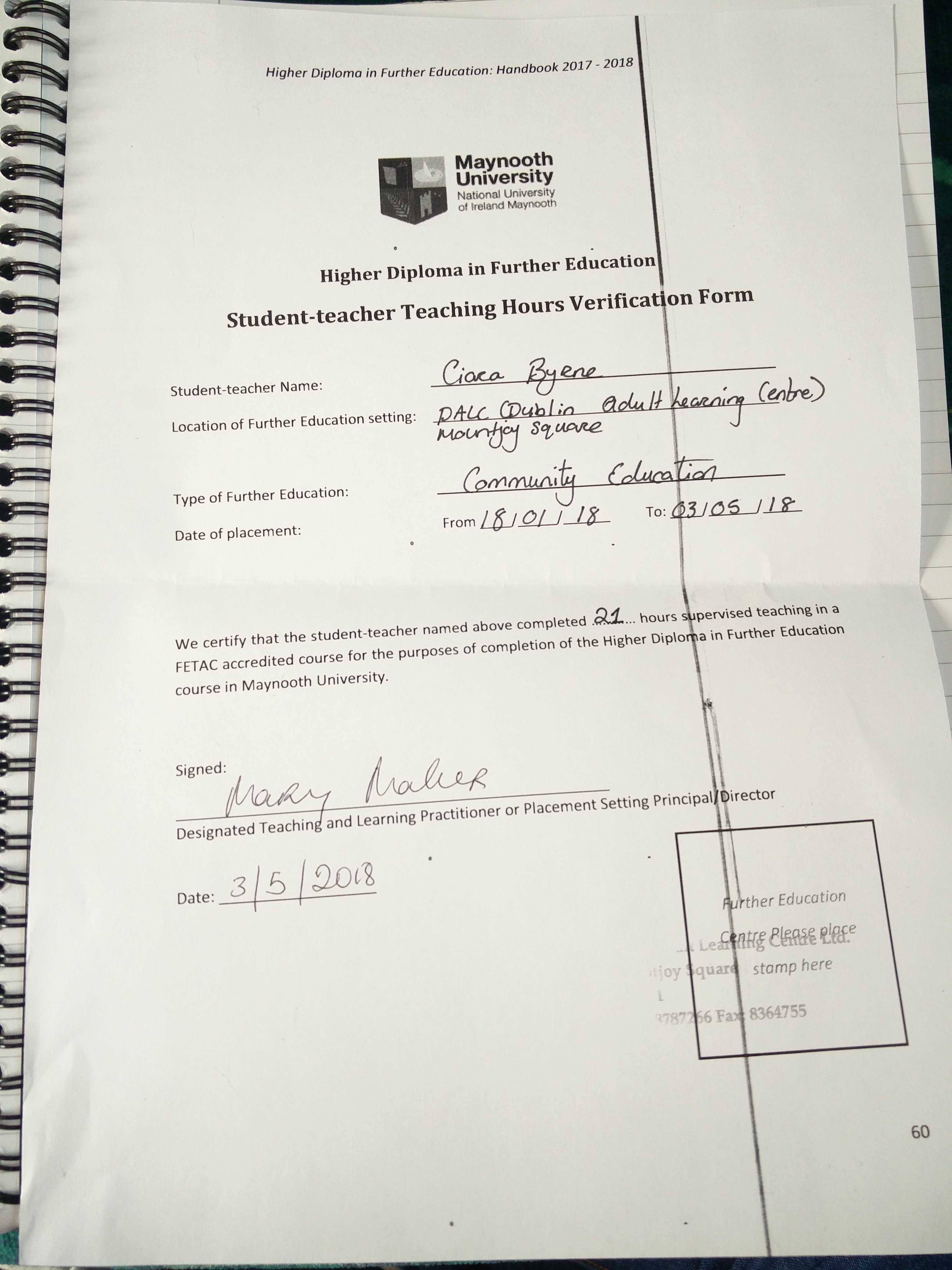
Hours Verification Form - DALC.jpgSupervision Visit 2
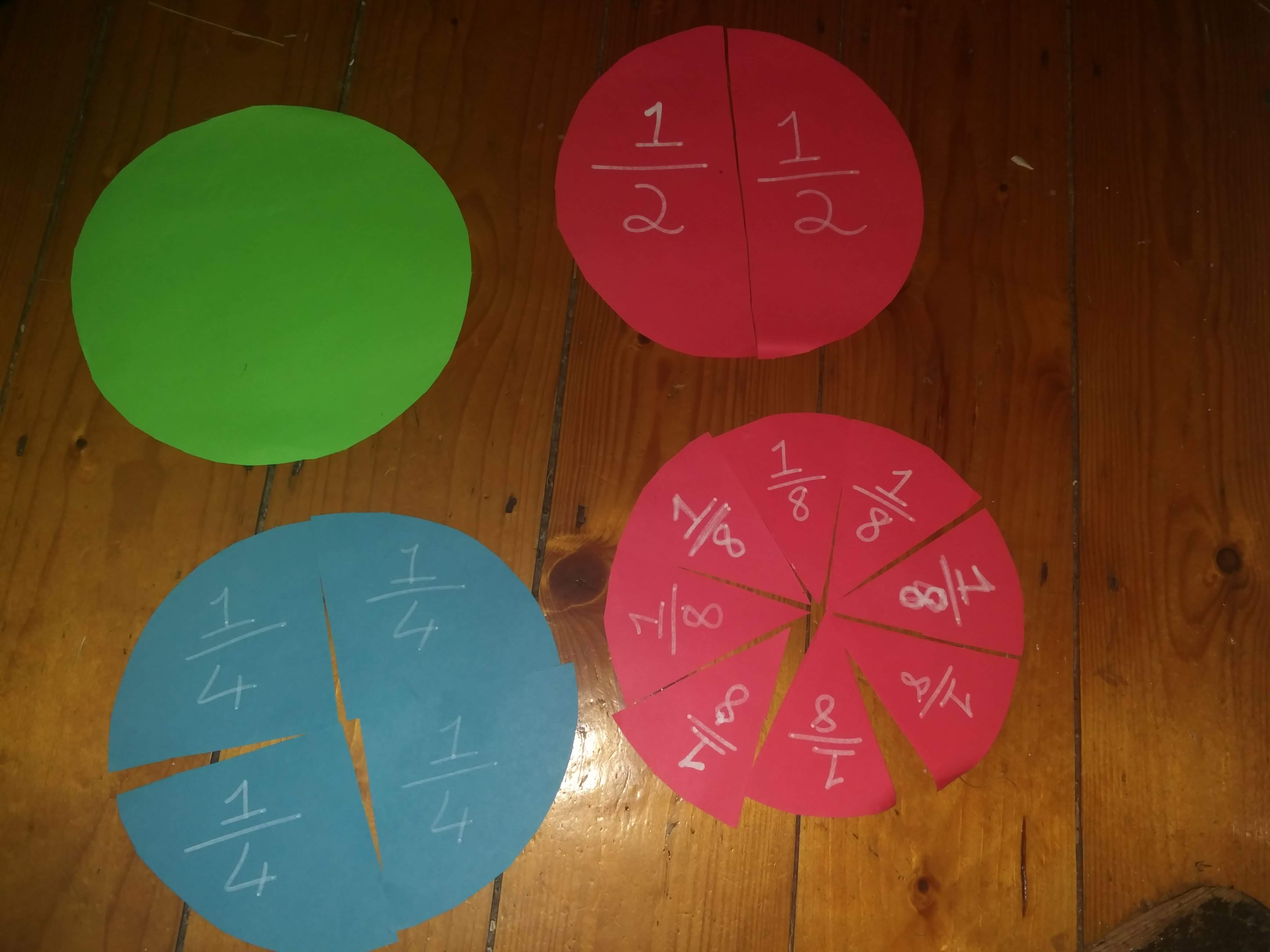

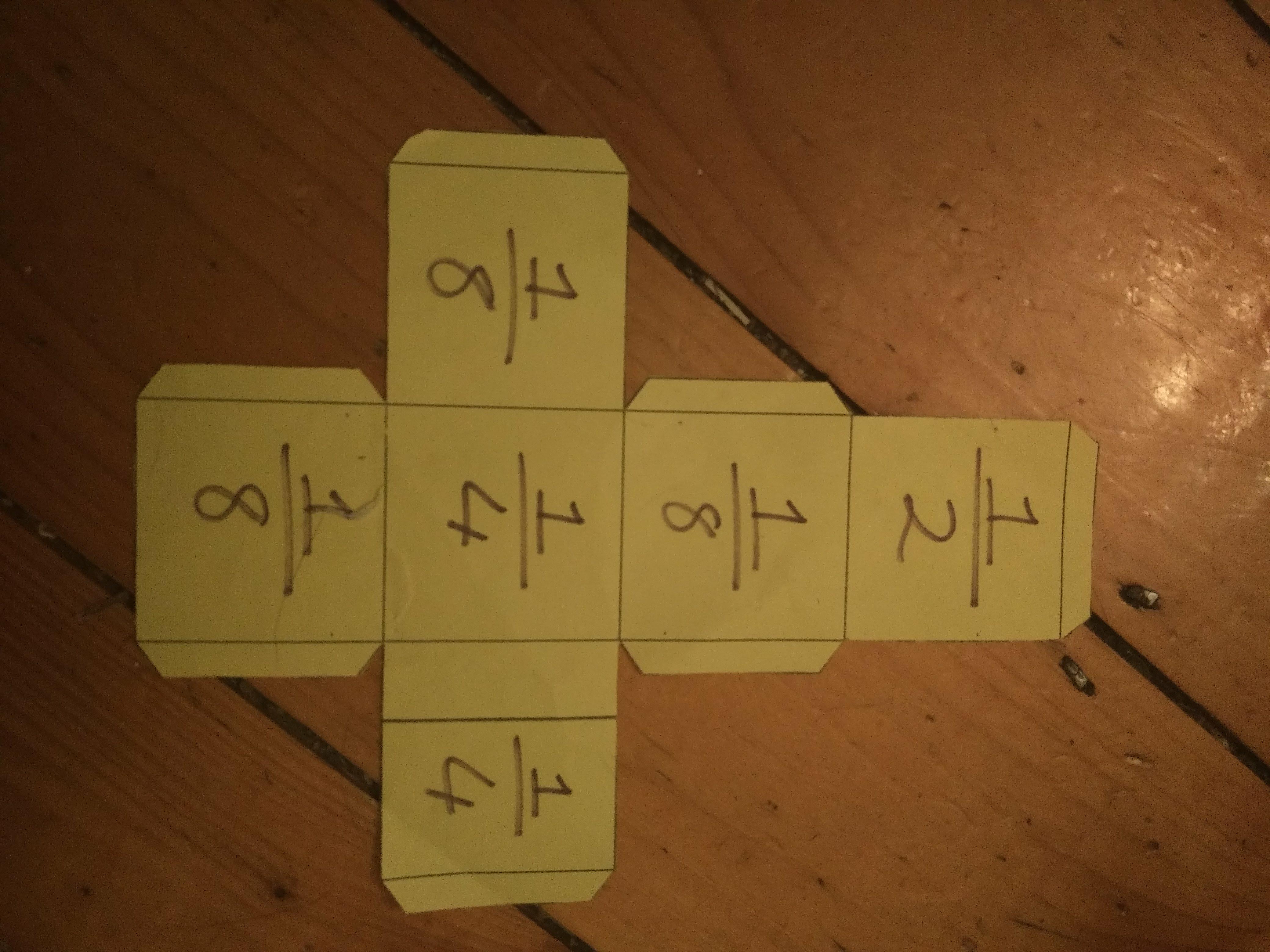
For this visit, I was asked by my cooperating teacher to cover the topic of fractions. Just as an introduction to the concept, how to write them and the beginnings of how to add and subtract them. Knowing this group, I knew a presentation or just talking to them would not work. They are predominantly visual learners. I decided to begin the class with one big circle on the floor. I told everyone that x learner had brought us all pizza today. I then said that he wanted to share it with y learner and asked how you would do that. We cut the pizza into two equal pieces. We continued on until the pizza was in 8 equal parts and everyone had some. Everyone then sat back down and we discussed what we had just done. Here is where I introduced the topic of fractions and how they look.
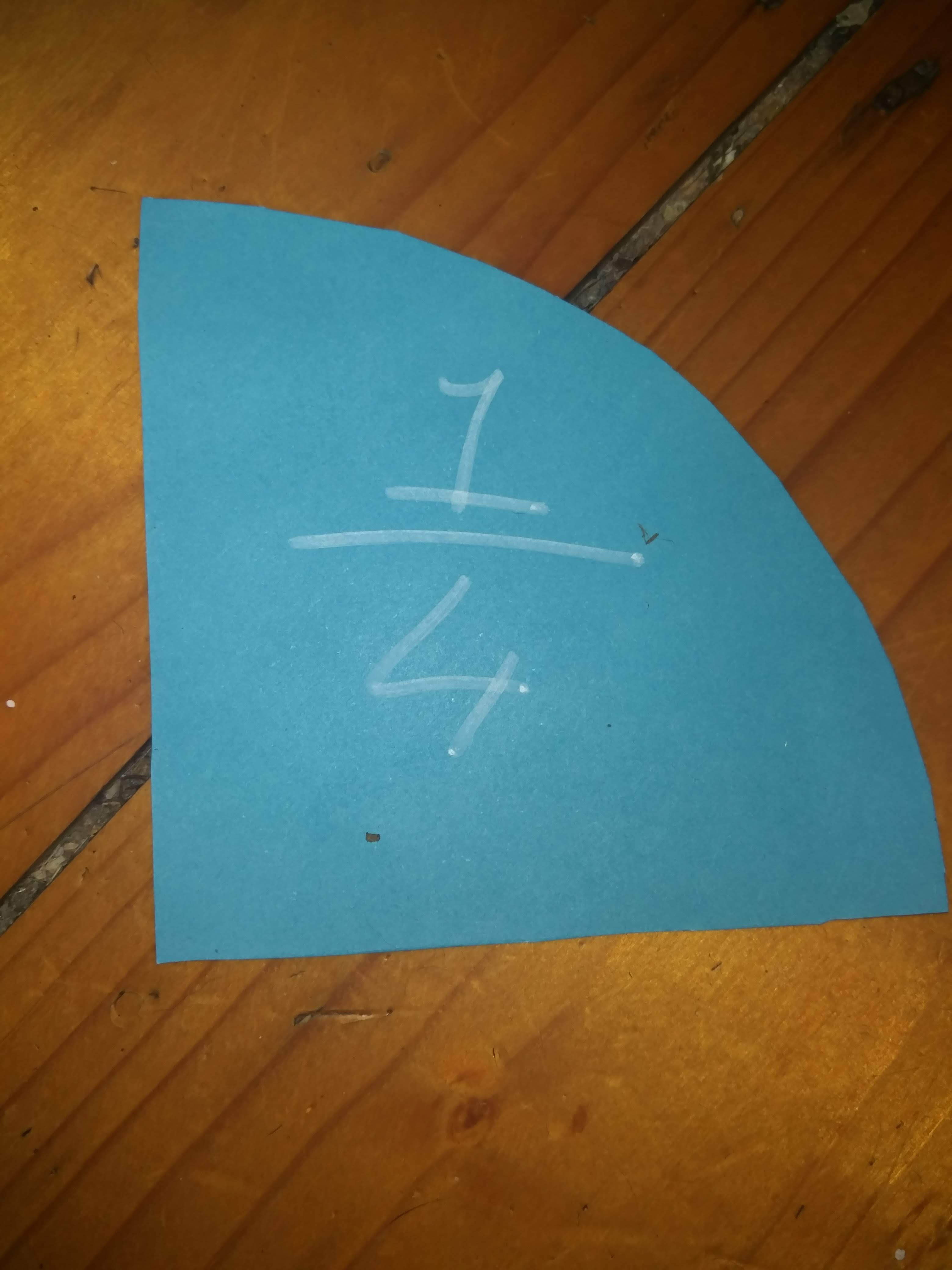
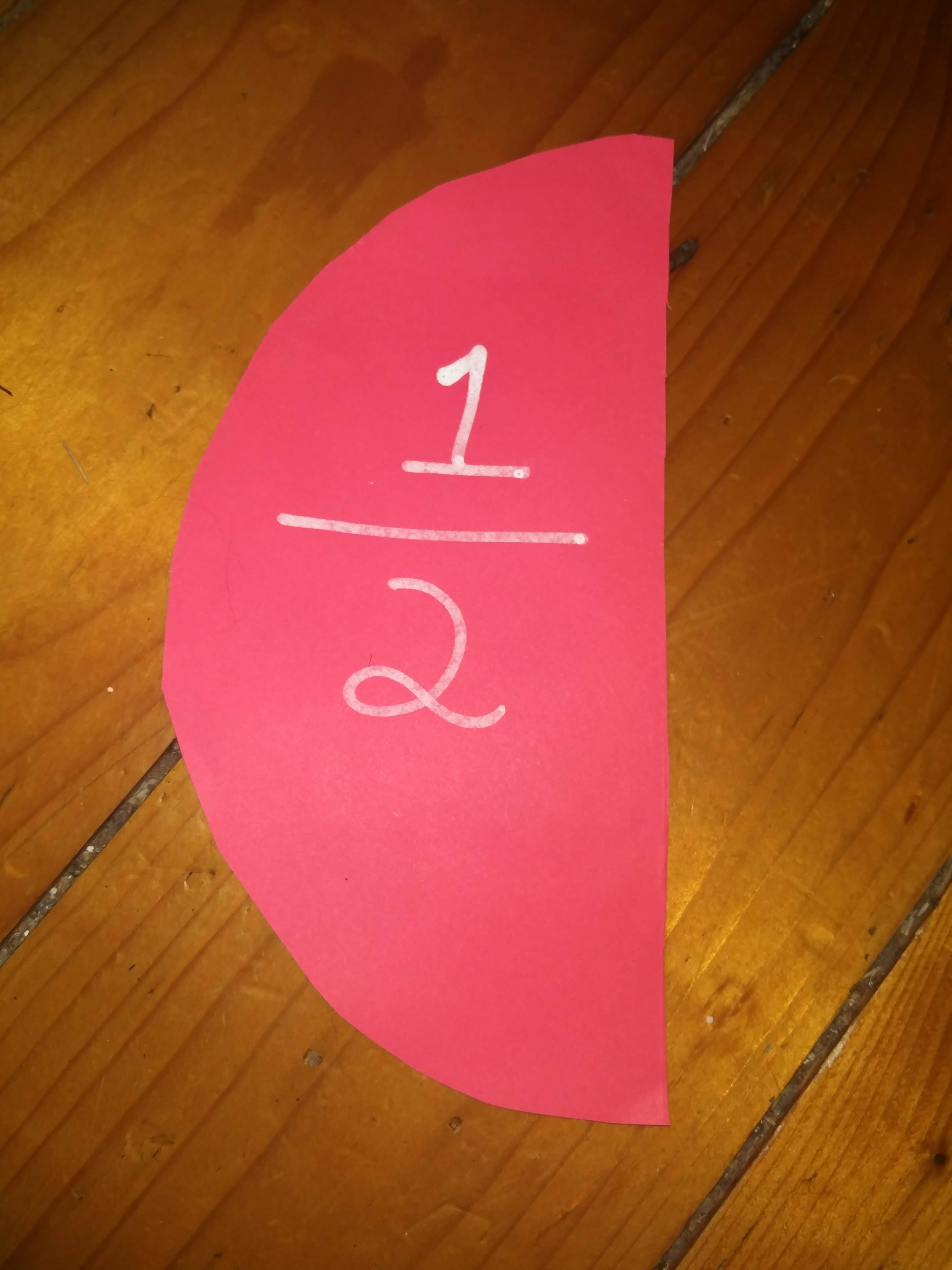
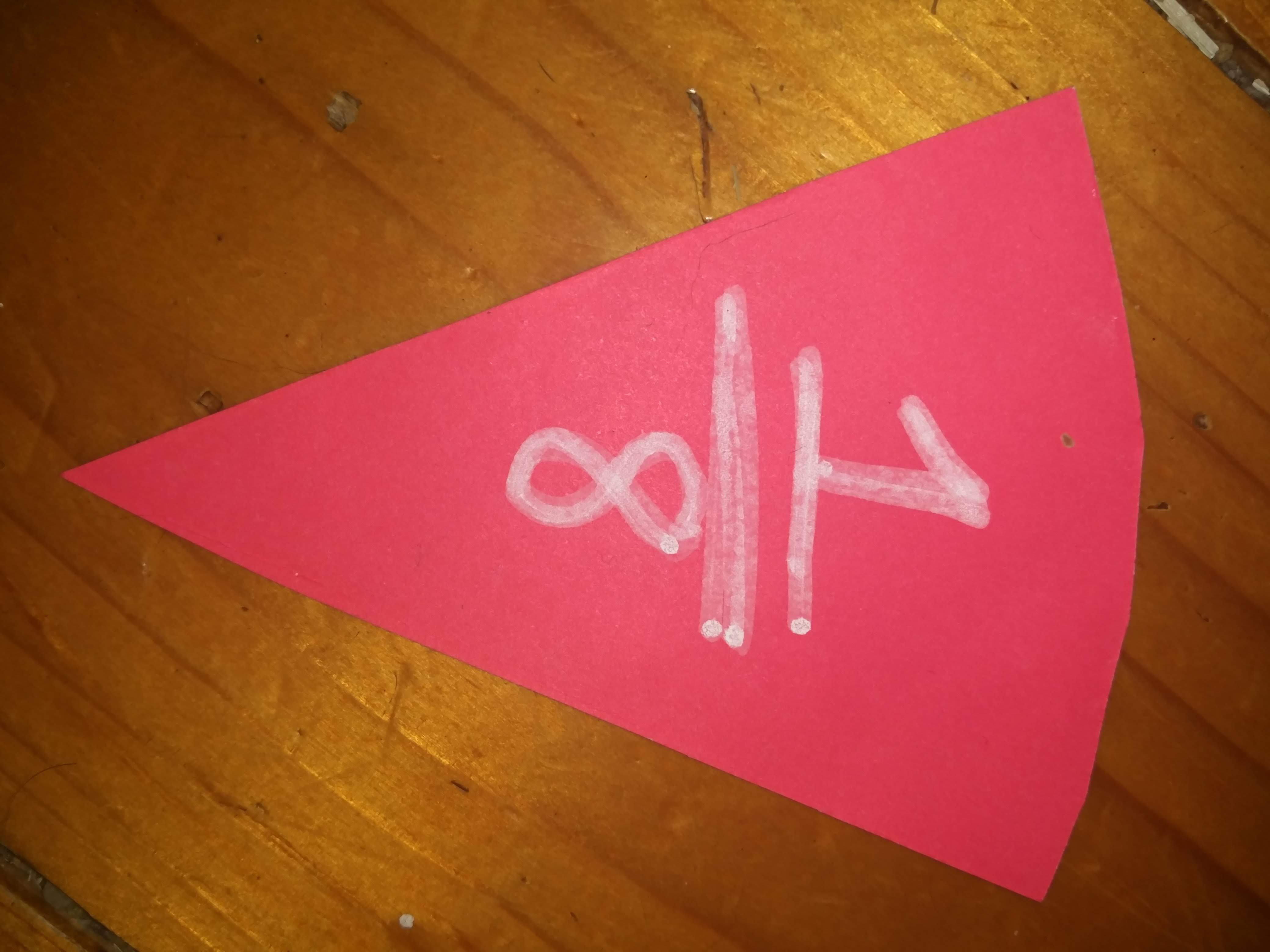
I then gave each learner their own set of fraction cut outs. They were circles. One was left whole, then two halves, four quarters and eight eights. We discussed how fractions are all part of one whole and how a different combination of them can make up a whole. The visual was very good here as learners were able to manipulate them themselves to make a whole in different ways. After this, we kept using the cut outs. I gave each pair of learners a die with fractions written on it instead of numbers. They had to throw the di and then place the piece that corresponds to what they threw on their whole piece. They continued on this until it was full and we then used the whiteboard to discuss what combination they had used to make a whole. I then had them remove pieces in the same fashion.
Lastly for this class, I had them do a couple of worksheets to reinforce what they had learnt.
Lesson PlanDALC.docxEqual Parts Worksheet.docx
Notes.docx
Teaching Supervision Report 2.doc
Drama keyboard_arrow_right